
Britain’s Rivers Have a Sewage Problem, Here’s What the Data Says
Tyne. Mersey. Eden. Derwent. Dane. Taw. Conwy.
If you know Kovered, you’ll probably recognise a few of those names.
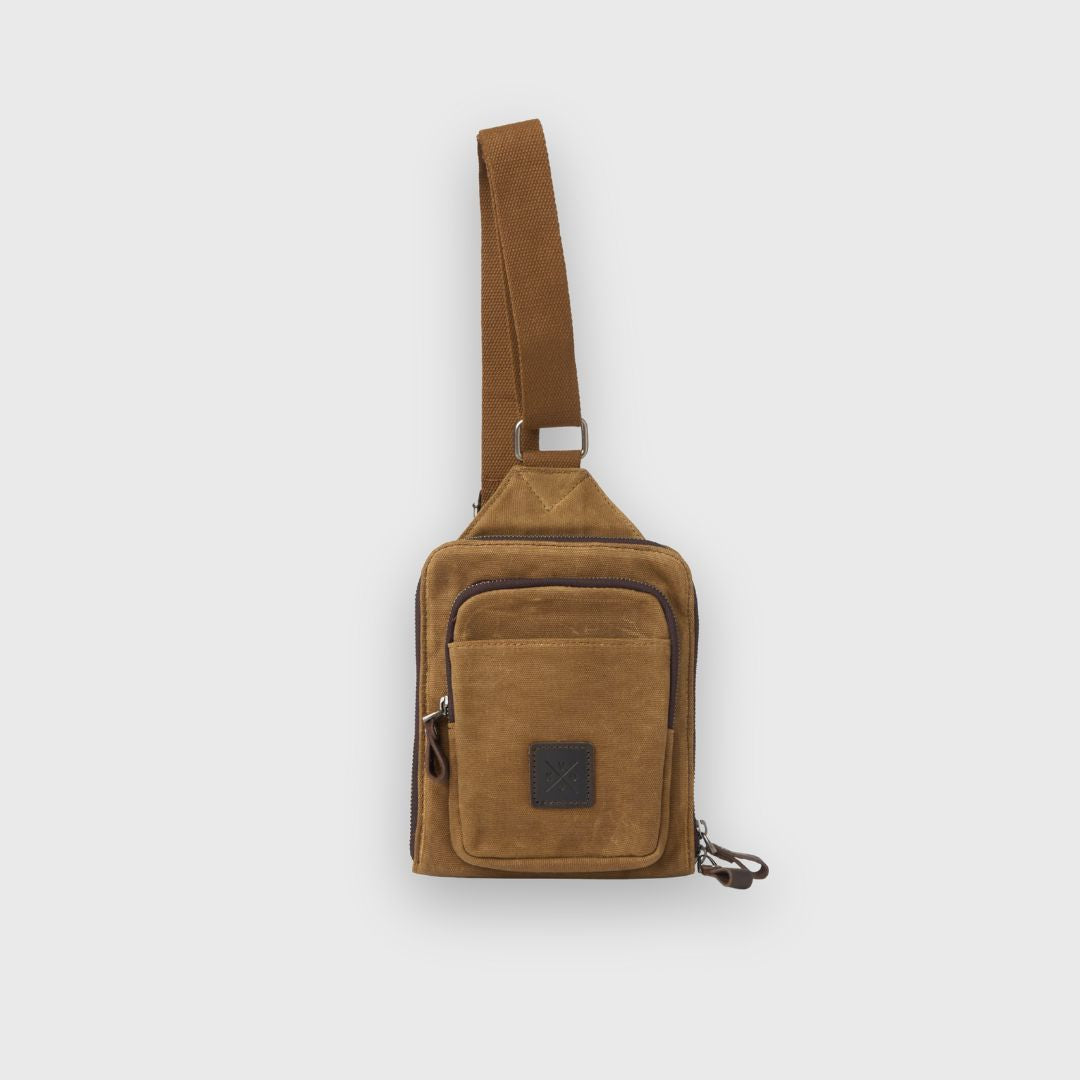
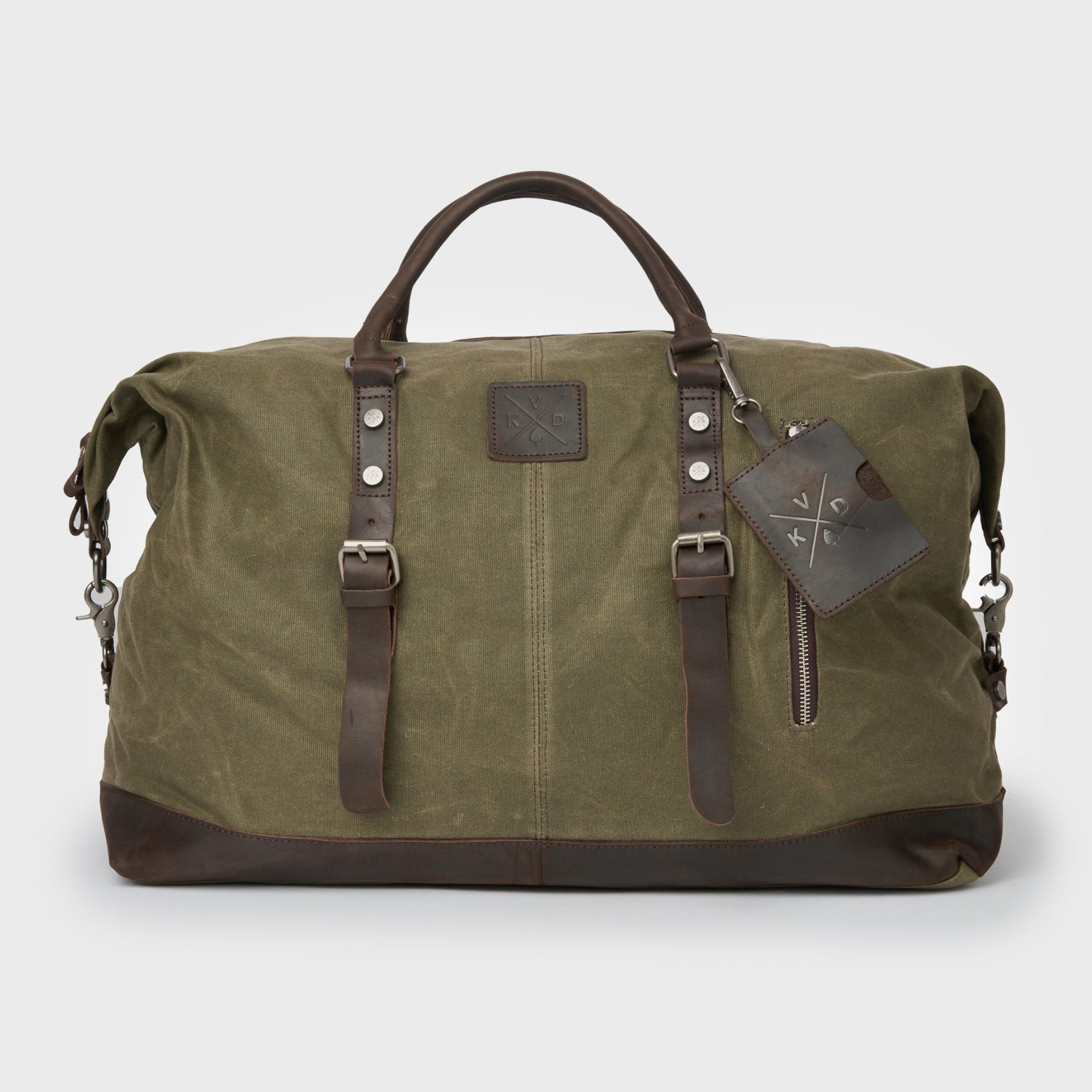
Many of our bags take their names from rivers found across Britain and Ireland. It’s our way of connecting what we make with the landscapes, places and outdoor adventures that inspire Kovered.
But if we’re going to put the names of these rivers on our products, we think we should also care about what’s happening to Britain’s waterways.
And sewage pollution remains a very real problem.
Rather than relying on headlines, we wanted to look at what the official data actually tells us.
Why Is Sewage Released Into Our Rivers?
Many parts of England have a combined sewer system, where rainwater and wastewater travel through the same network.
During periods of heavy rainfall, the volume of water entering the system can become too great.
Storm overflows are designed to act as a pressure release. They allow excess wastewater to be discharged into rivers or coastal waters rather than allowing the sewer network to become overwhelmed and potentially back up into homes and businesses.
These overflows operate under environmental permits.
The controversy isn't simply that storm overflows exist. It's the frequency and duration of their use, alongside cases where water companies have failed to comply with environmental law.
And the numbers involved are substantial.
What Does the Latest Data Show?
According to Environment Agency data for England in 2025, there were:
291,492 recorded storm-overflow spill events.
That's a 35% reduction compared with 2024.
Total monitored spill duration also fell by 48%, while the average number of spills per overflow fell from 31.8 in 2024 to 20.5 in 2025.
That's a significant improvement.
But there's an important piece of context behind it.
Why Did Spills Fall So Much in 2025?
The Environment Agency says that much of the improvement reflected unusually dry conditions during 2025, particularly following an exceptionally wet 2024.
That's important because storm-overflow activity is strongly connected to rainfall.
Less rain entering the sewer network means fewer occasions when the system reaches capacity and storm overflows are activated.
So while the reduction is welcome, one relatively dry year doesn't mean Britain's sewage problem has suddenly been solved.
The Environment Agency itself says sustained maintenance and investment in drainage networks will be needed to deliver lasting improvements.
What Is Being Done About It?
There are reasons to be cautiously optimistic.
The Environment Agency says its monitoring data has already supported around £10.2 billion of investment in storm-overflow upgrades.
This forms part of a much wider programme of investment in England's water infrastructure over the coming years.
Every storm overflow in England now also has an Event Duration Monitor fitted, giving regulators a much clearer picture of when overflows operate and for how long.
Better monitoring doesn't solve the problem by itself.
But it makes it considerably harder for poor performance to remain hidden.
What About the Water Companies?
Regulators have also started taking stronger enforcement action.
One of the most significant examples involves Thames Water.
In 2025, Ofwat imposed two penalties on the company totalling £122.7 million.
That consisted of:
- £104.5 million following an investigation into Thames Water's wastewater operations.
- £18.2 million following a separate investigation into dividend payments.
The £104.5 million wastewater penalty was the largest penalty Ofwat had issued at the time.
That distinction matters.
The £122.7 million wasn't simply a single “sewage fine” — it was the combined value of two separate regulatory penalties.
The Law Has Changed Too
The Water (Special Measures) Act 2025 received Royal Assent in February 2025 and gave regulators stronger powers to hold water companies and their senior leadership to account.
Among its measures are powers relating to:
- Performance-related executive pay
- Environmental performance
- Criminal liability
- Monitoring of sewage outlets
- Pollution reduction plans
- Stronger enforcement
Ofwat subsequently introduced rules allowing performance-related executive pay to be prohibited when water companies fail specified standards covering the environment, customers, financial resilience or criminal liability.
So it wouldn't be accurate to say that nothing is being done.
Regulation is getting tougher, monitoring has improved and significant infrastructure investment is planned.
The question is whether those changes will translate into sustained improvements in Britain's waterways over the coming years.
Why Does Any of This Matter to Kovered?
It's a fair question.
We make bags. We're not environmental scientists, engineers or a campaigning organisation.
And we're certainly not going to pretend we know how to redesign a sewer network containing infrastructure that, in some places, dates back to the Victorian era.
But there is a reason we're talking about it.
We chose names like the Tyne, Mersey, Eden, Dane, Taw and Conwy because those places mean something to us.
They're part of the landscapes that inspired Kovered in the first place.
Our whole philosophy is about getting outside, travelling further and escaping the ordinary.
It would therefore feel a little hollow to celebrate Britain's rivers through our products while ignoring the environmental challenges facing the waterways themselves.
The Rivers Behind Our Bags
These aren't just names picked randomly from a map.
The Tyne flows through Newcastle and Gateshead before reaching the North Sea.
The Mersey is inseparable from the industrial and cultural history of the North West.
The Eden winds through Cumbria and Carlisle towards the Solway Firth.
The Dane travels through Cheshire before joining the River Weaver.
The Taw rises on Dartmoor and travels through Devon.
The Conwy runs through North Wales towards the Conwy Estuary.
They're rivers people walk beside, fish, paddle and explore.
And they're exactly the sort of places that inspired the Kovered brand.
Why Kovered Bags Are Named After British Rivers
What Can You Actually Do?
The scale of the issue can make individual action feel insignificant.
But one of the simplest things we can all do is become better informed about the waterways we use.
Check Before You Swim
Organisations such as The Rivers Trust and Surfers Against Sewage provide information and tools for checking sewage discharges and water quality.
If you're planning on swimming, paddleboarding or spending time in a particular stretch of water, it's worth checking the latest information first.
Support the People Monitoring Our Rivers
Organisations including The Rivers Trust, Surfers Against Sewage and River Action work to monitor pollution, campaign for improvements and hold companies and regulators accountable.
Take Part in Consultations
Government departments and regulators periodically consult the public on environmental targets, water-company investment and regulation.
Public responses provide another way to make your views heard.
Make It Local
If a particular river, beach or swimming spot near you is being affected by pollution, raise the issue locally.
Contacting your MP or supporting a local river organisation can help turn a huge national problem into a much more specific local one.
Is the Situation Getting Better?
Based purely on the latest annual storm-overflow figures, 2025 was an improvement on 2024.
Spill events fell 35%.
Total monitored duration fell 48%.
Monitoring is more comprehensive.
Billions of pounds of infrastructure investment are planned.
And regulators have stronger enforcement powers.
Those are all positive developments.
But the Environment Agency has also made it clear that the unusually dry conditions in 2025 played a substantial role in the reduction.
The real measure of progress will therefore be whether the downward trend can continue across different weather conditions and over several years.
One year's data doesn't tell the whole story.
Why We'll Keep Talking About It
Kovered isn't going to become an environmental campaigning organisation.
We make bags.
But we also believe that if you're going to build part of your brand around Britain's landscapes, it's worth caring about what happens to them.
We named our products after rivers because of what those names represent:
Landscape. History. Travel. Exploration. Adventure.
So we'll continue following the official data and updating this article as new information becomes available.
Because if we're going to put the names of Britain's rivers on our bags, the least we can do is pay attention to what's happening to them.